Culture is what we make together.
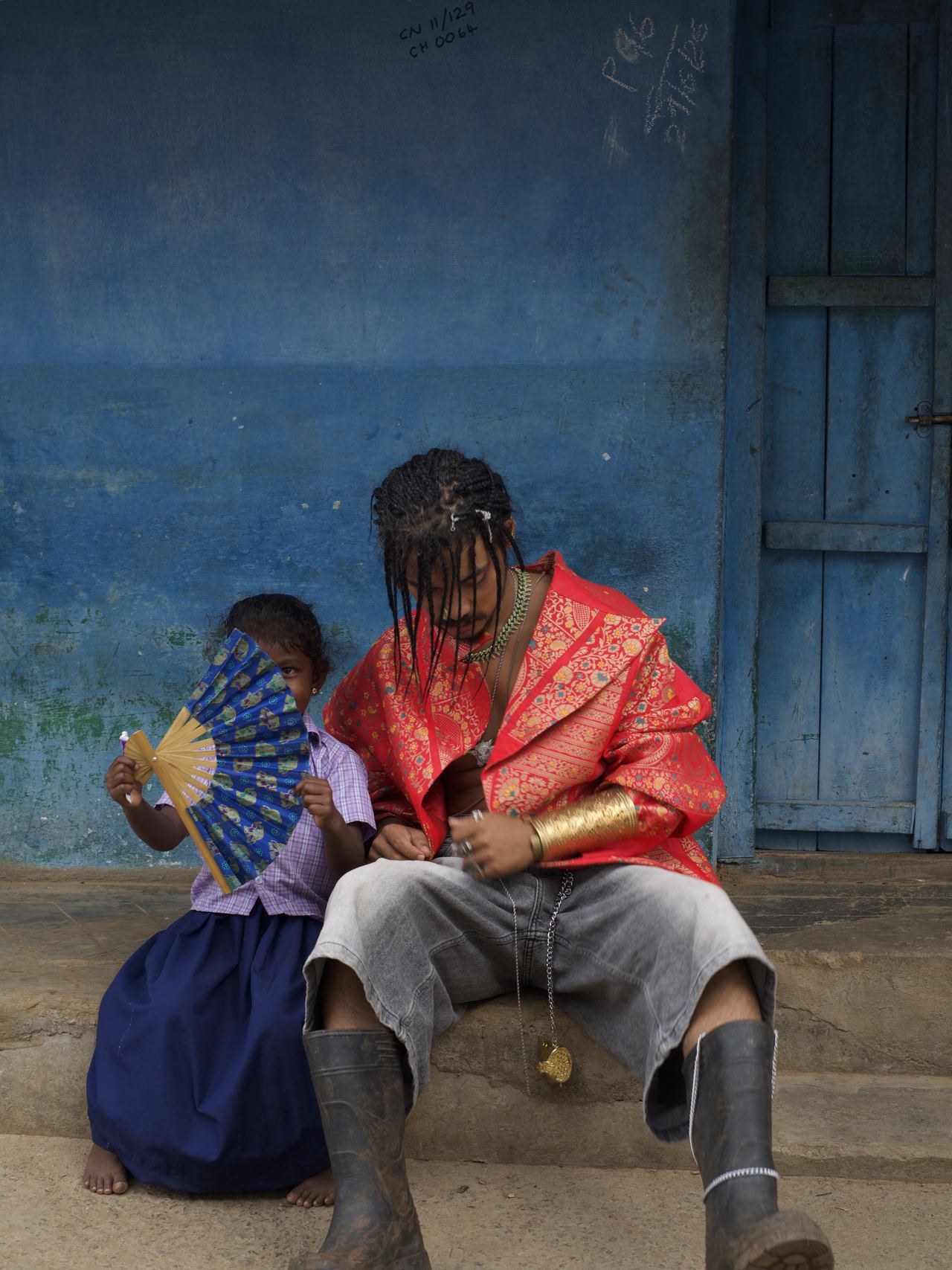
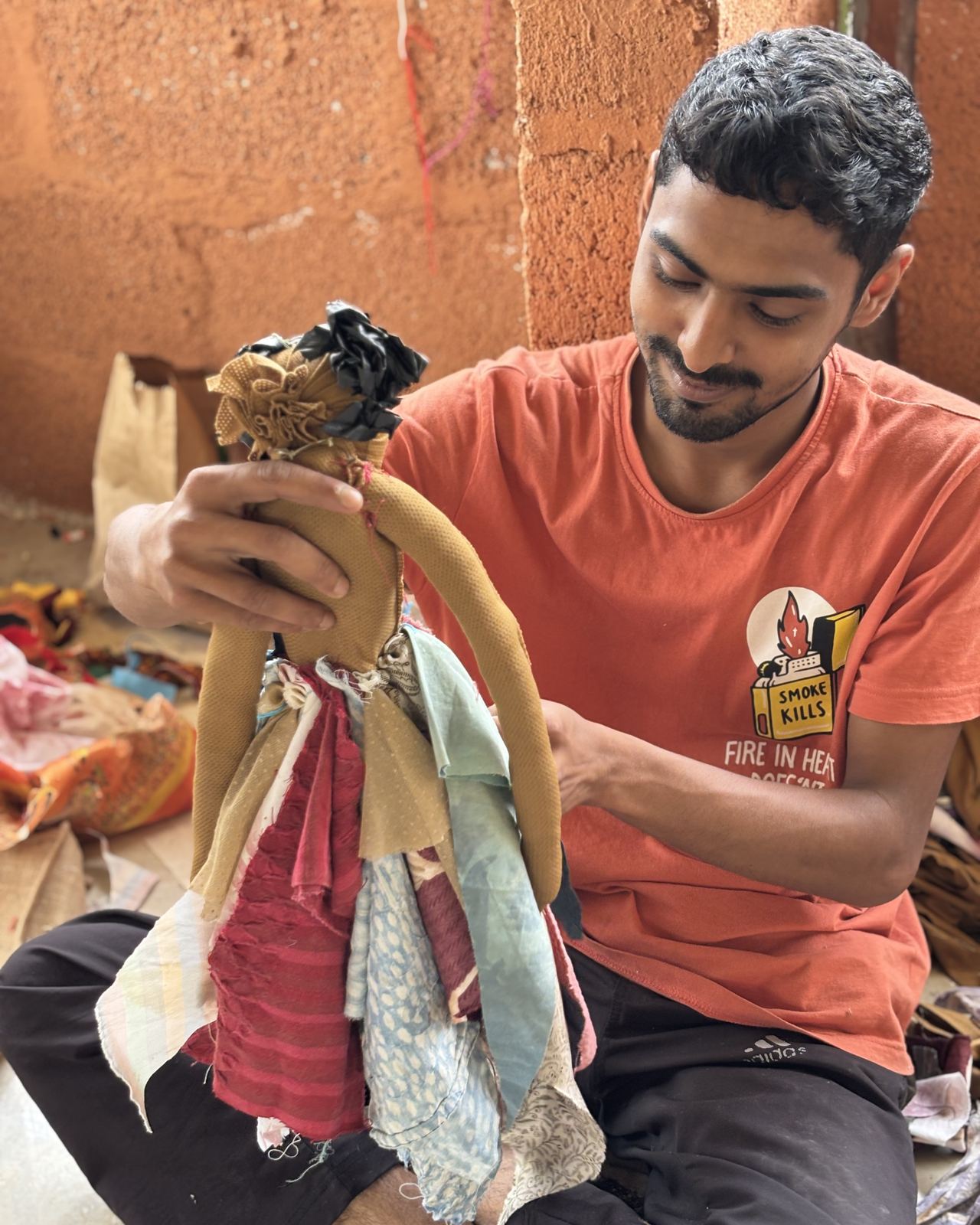
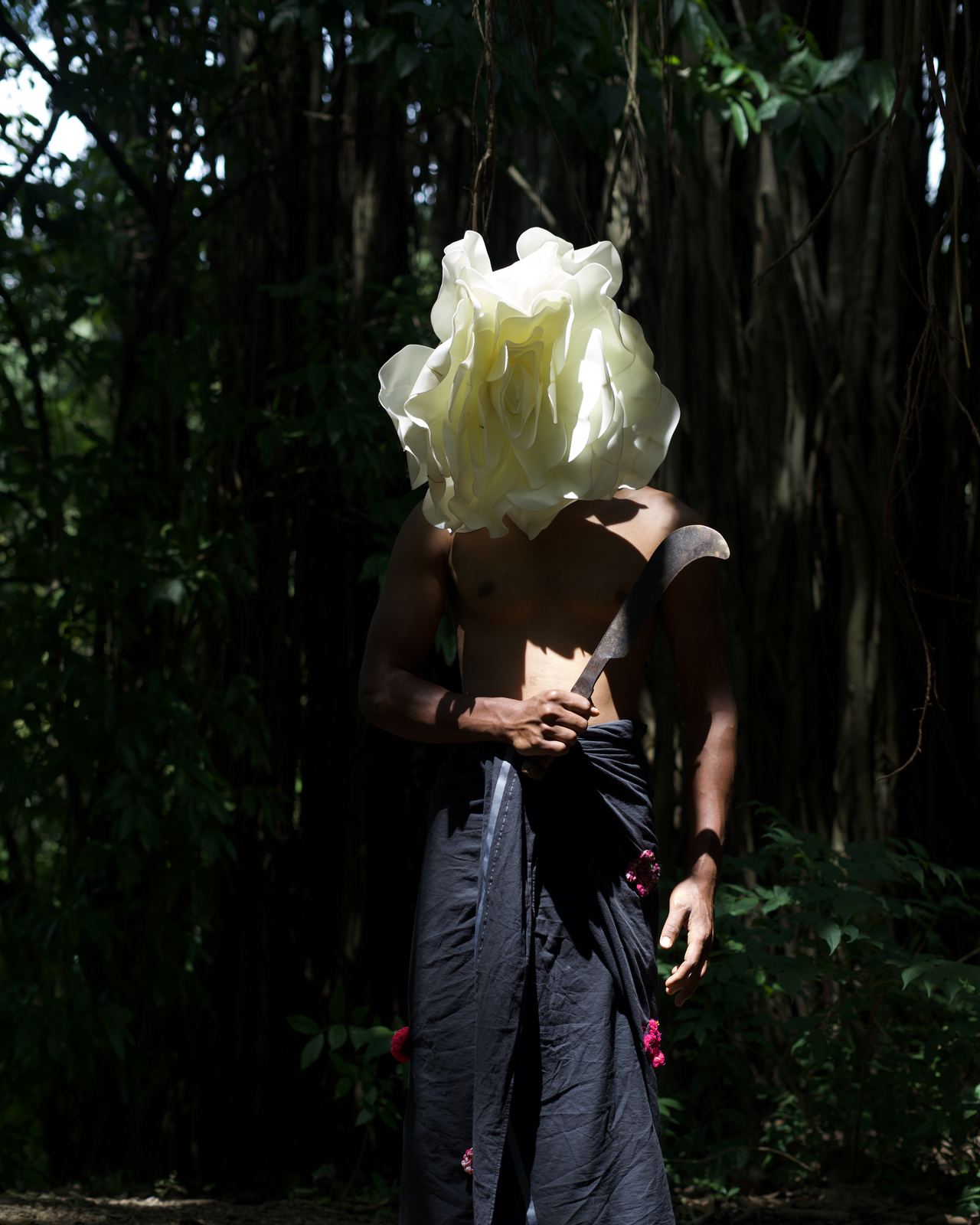
Energy, vibe, quality of life
Common Culture is not another vertical. It is the energy of the whole movement, shown for young people.
Music, sustainable fashion, fitness, ancestral wisdom, filmmaking and experiments. Not a lesson. A way of living that looks as good as it feels.
Culture Book
Where we put the people making the future look good. Culture Book is the Common Culture magazine. It features young artists, their projects and upcoming events, so individual artists reach the wider commune and find more opportunities.
Two ways in
- 01.Culture Book
- 02.Fashion Flow
Events
Music, fashion and fitness events are part of the plan, to make this culture more engaging and more popular.
How Practices
Meet
-
 01
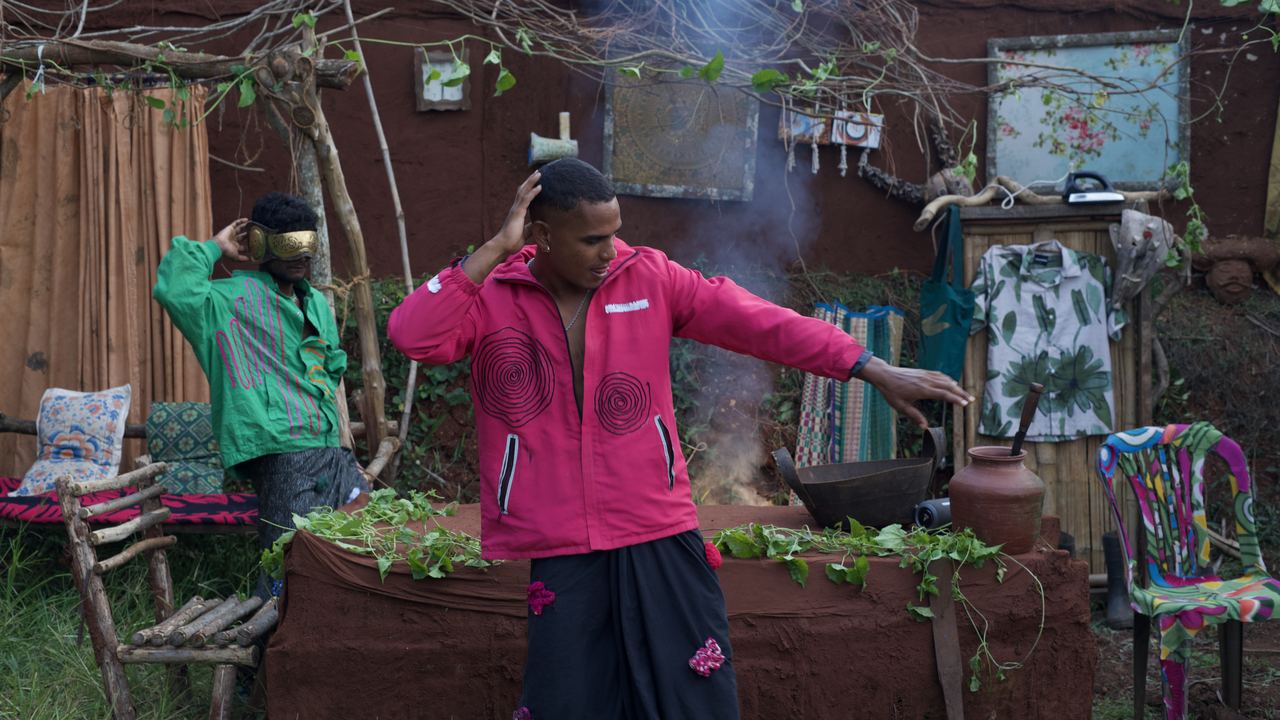
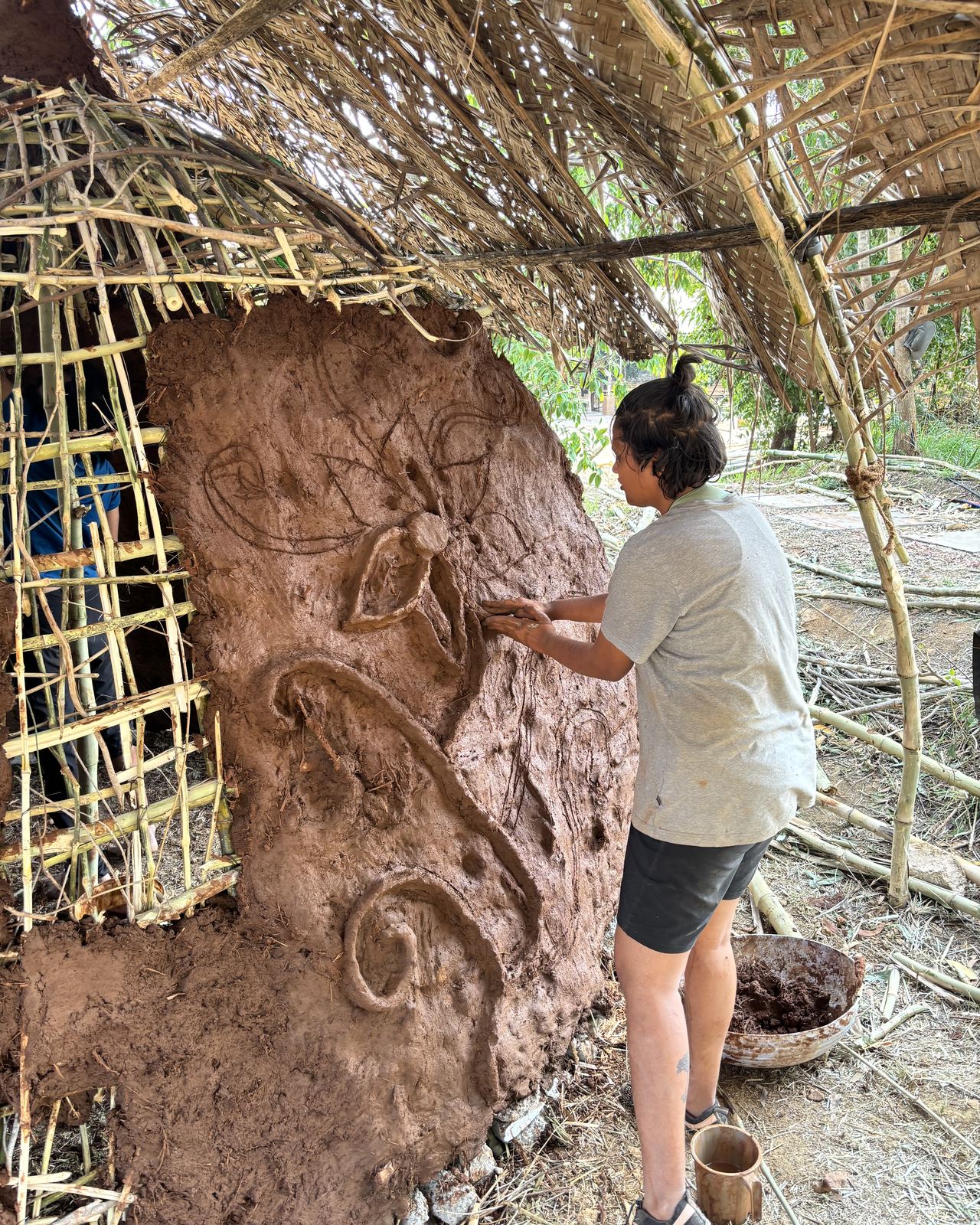
A shoot in natural architecture
An experiment in natural architecture can become the setting for a fashion concept shoot.
-
 02
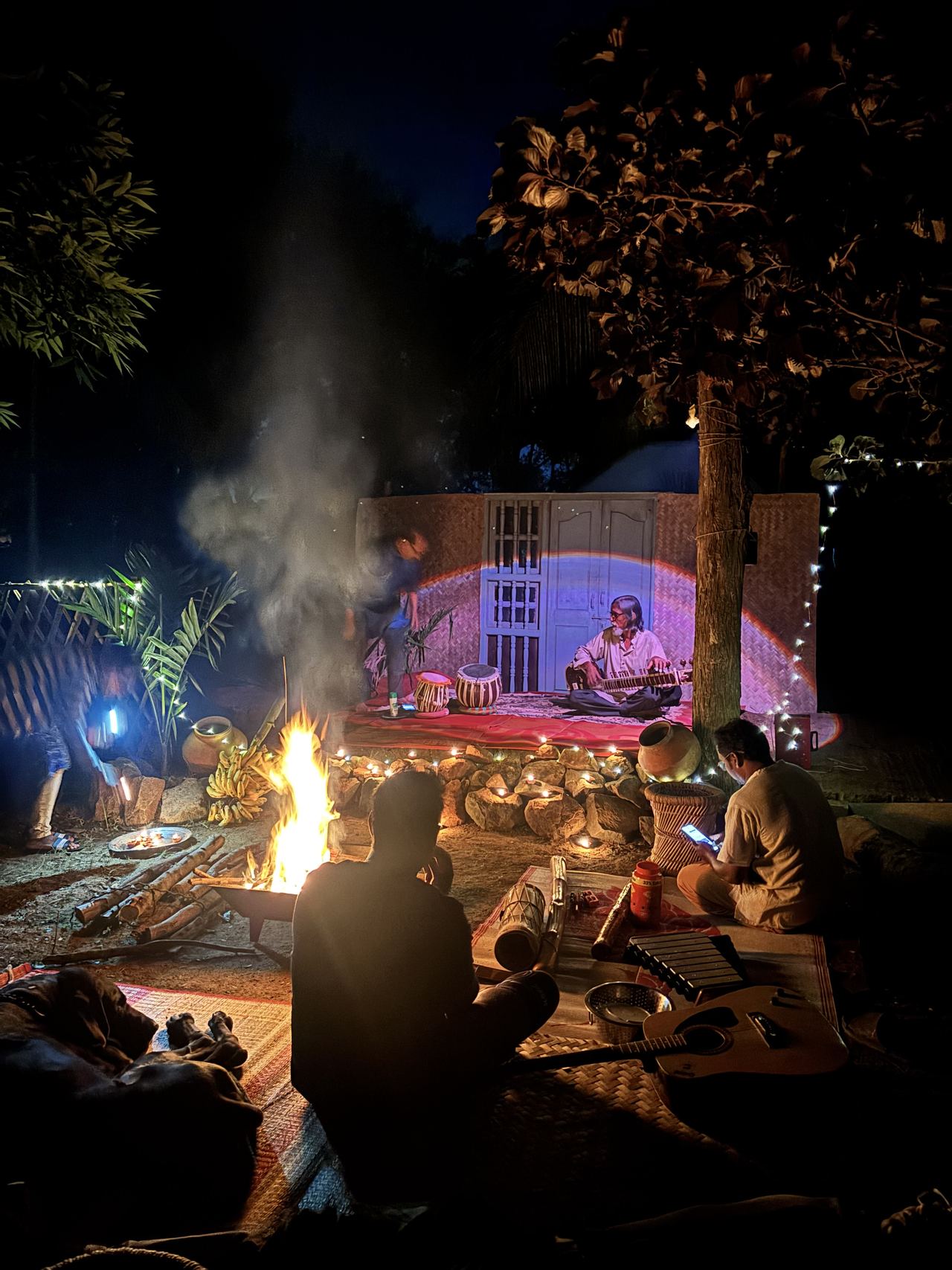
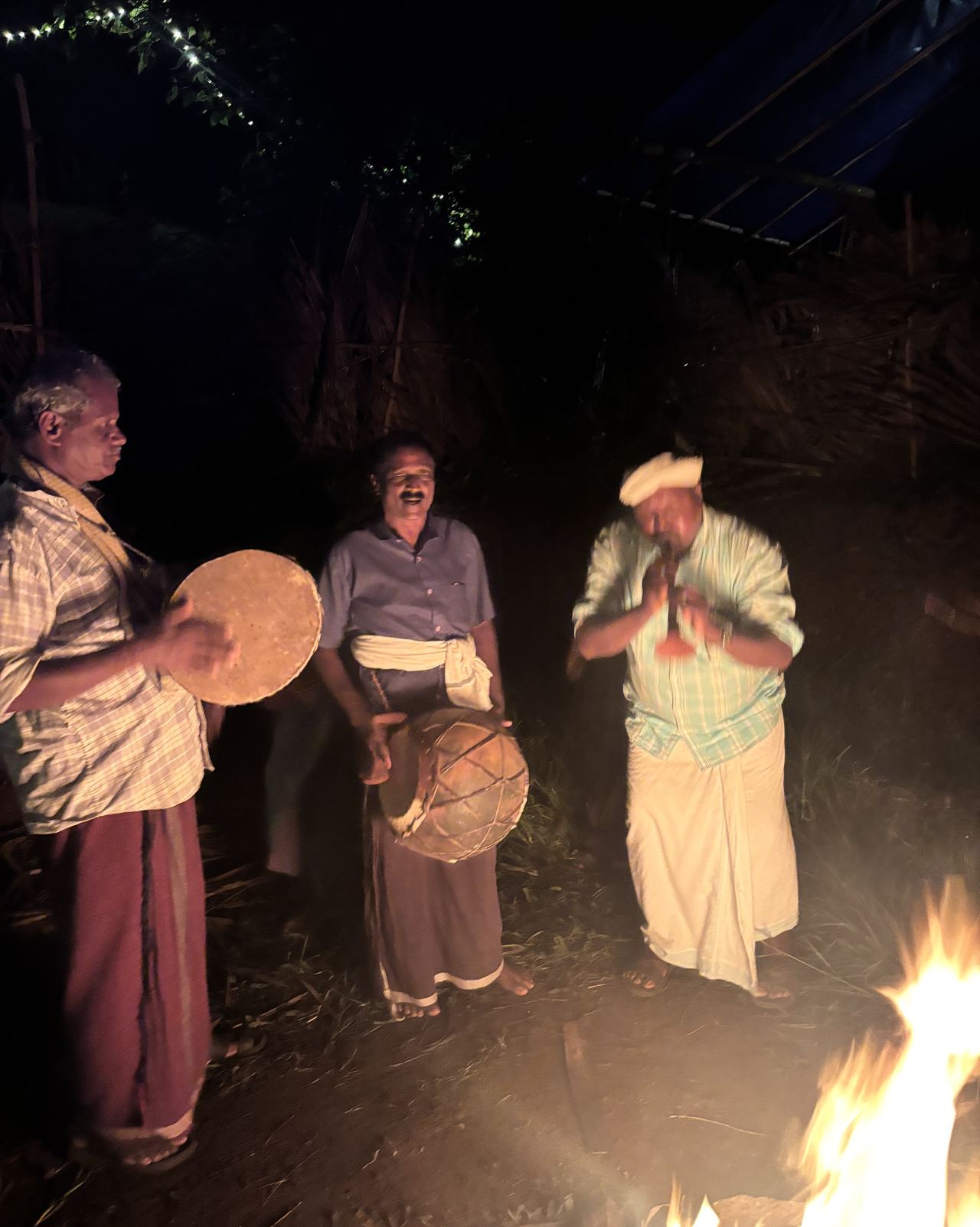
Music on a regenerative farm
A regenerative farm can become a space for independent music and artistic collaboration.
-
 03
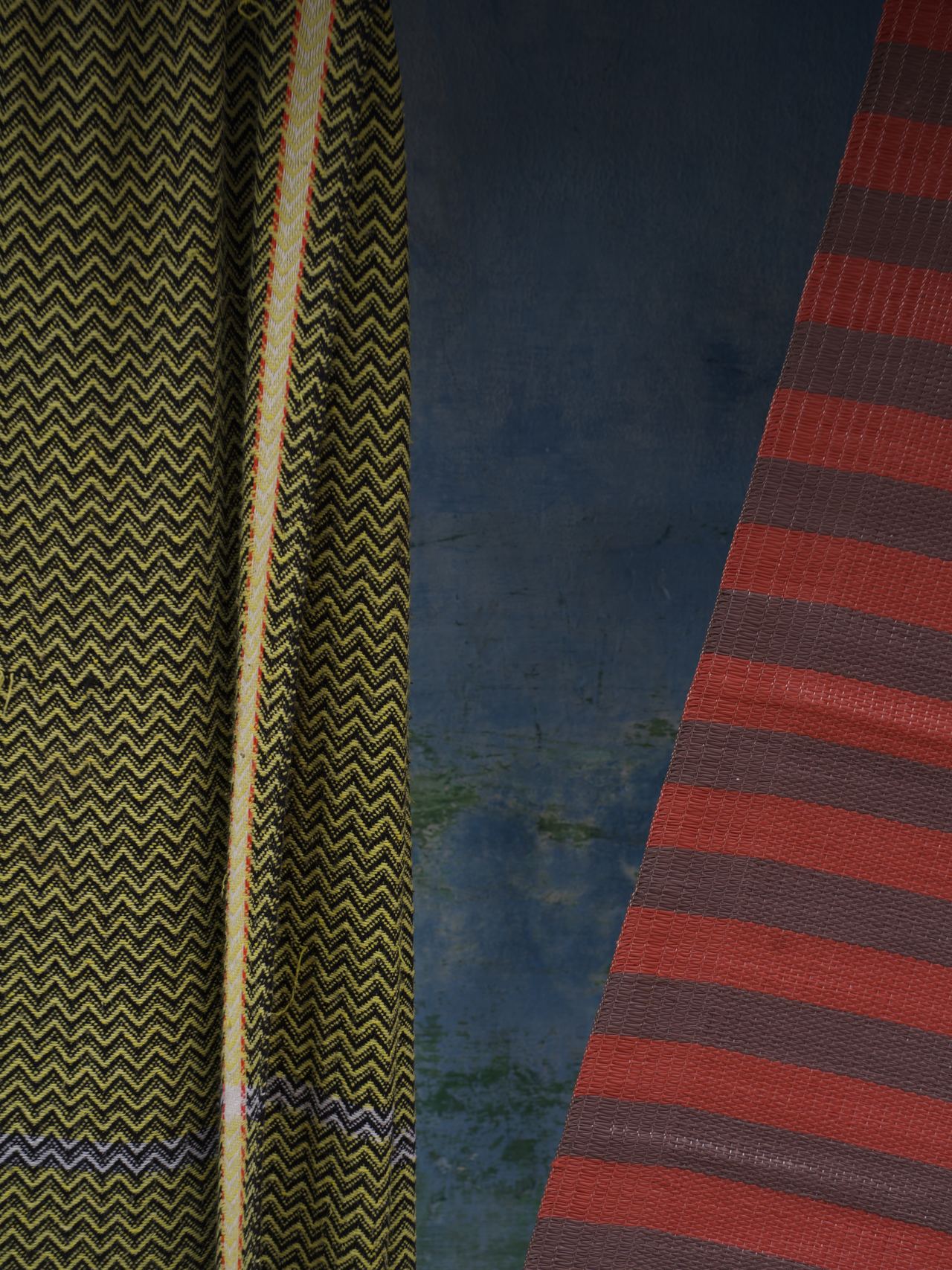
Craft into design
An ancestral craft can inspire conversations about contemporary design.
Three
Perspectives
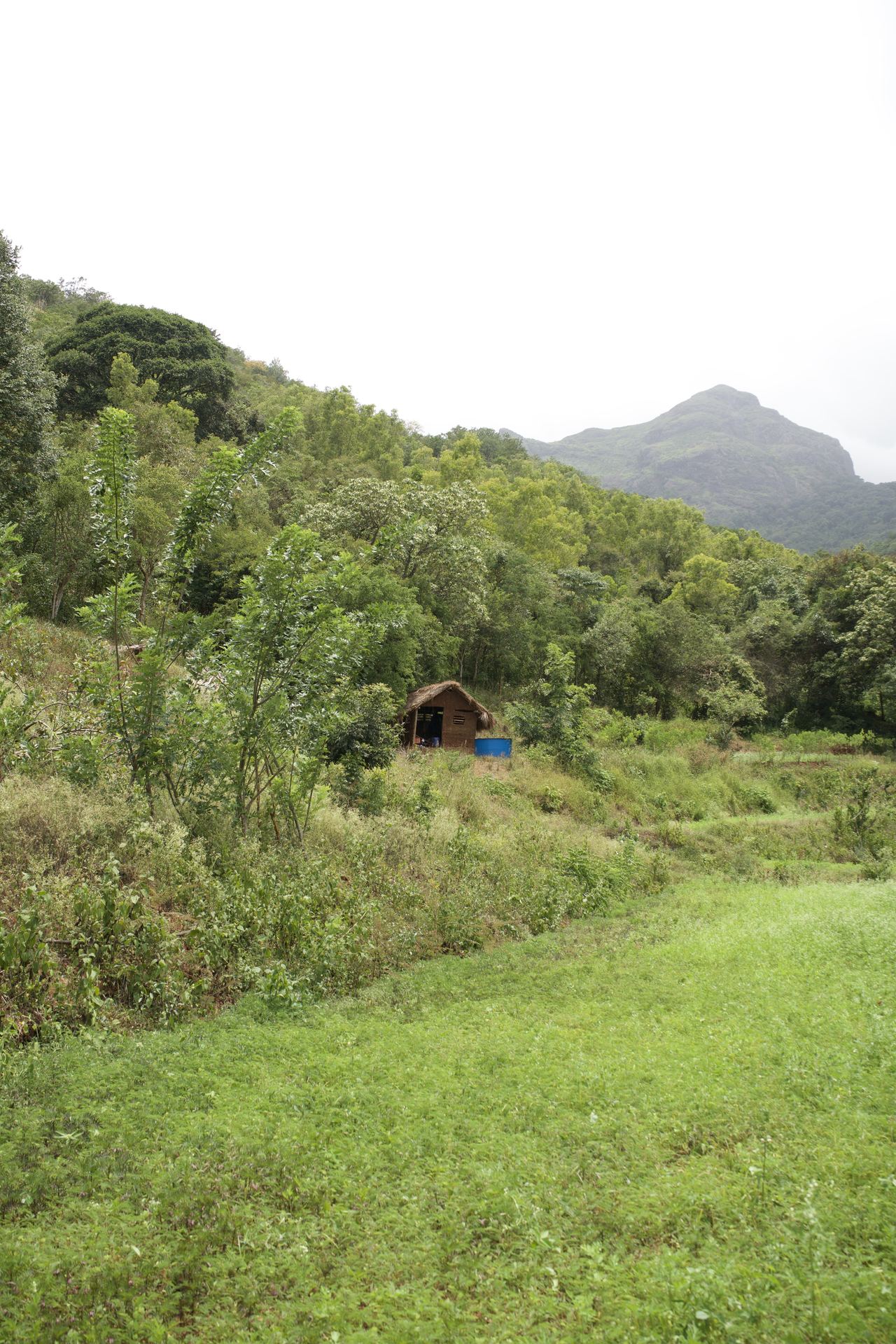
Nature
Understanding our existence
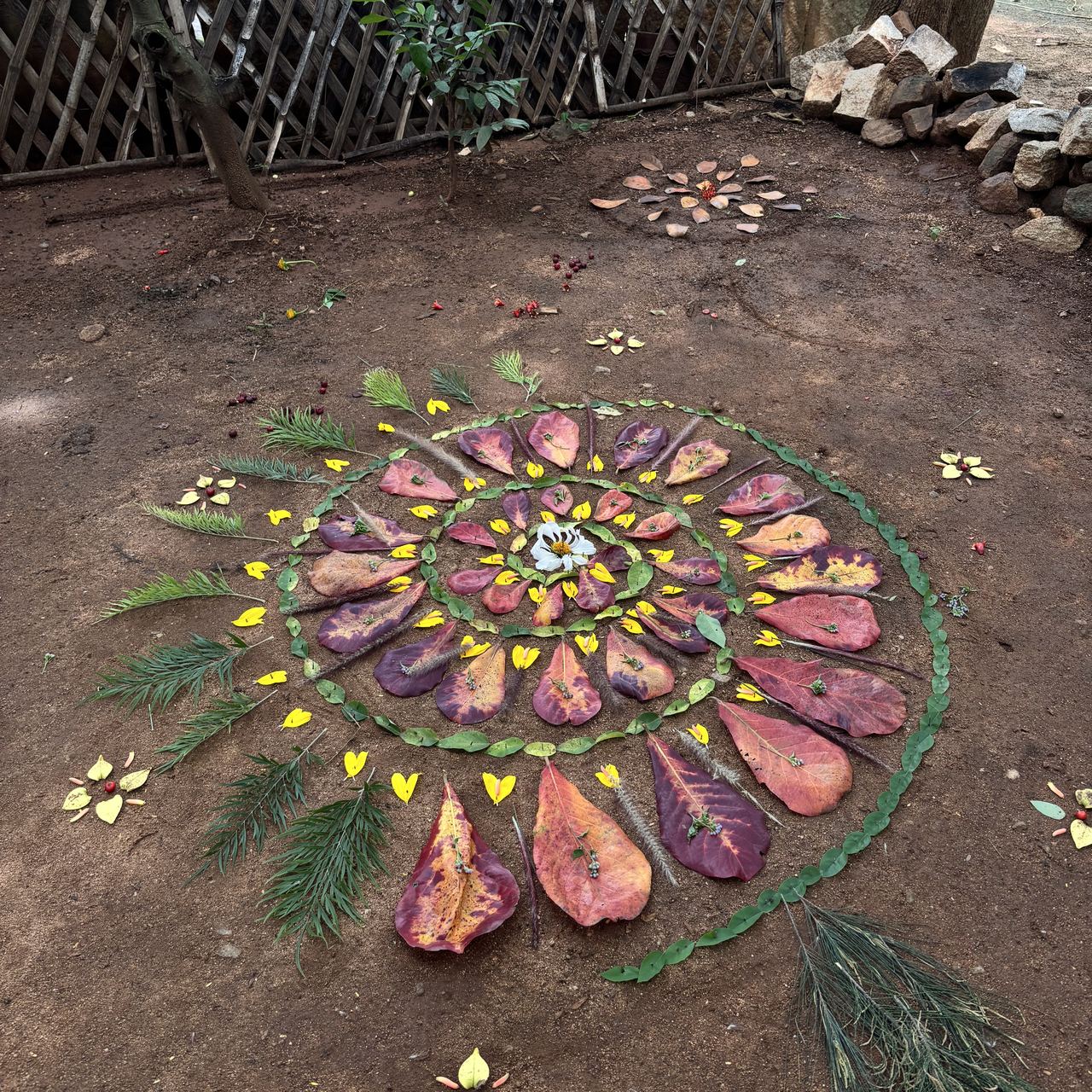
Nature is not simply a visual inspiration or a beautiful setting. It is the ecological system that supports our existence.
A fashion designer might explore plant-based fibres, repaired clothing or reclaimed textiles.
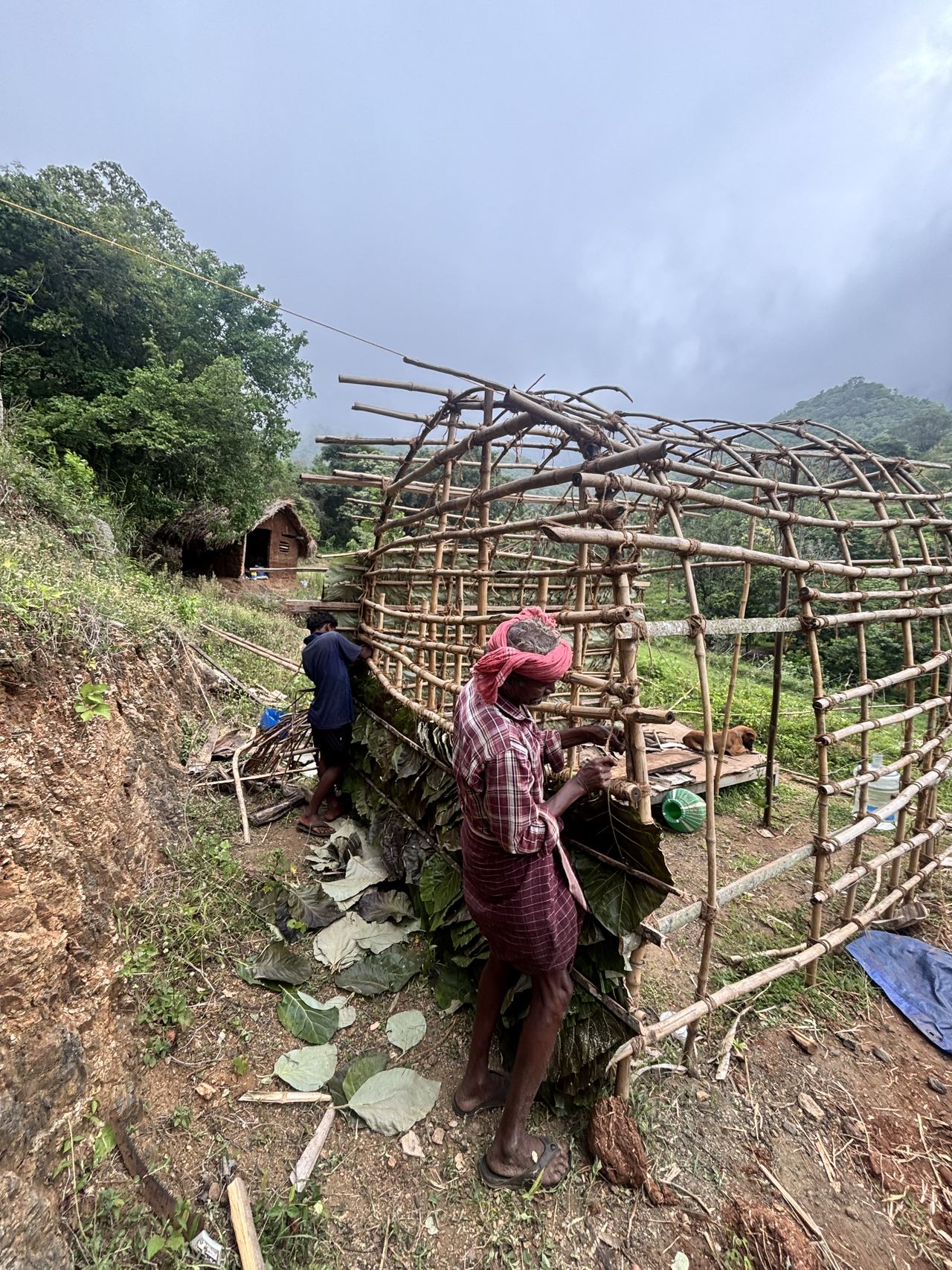
Ancestral knowledge
Understanding our wisdom
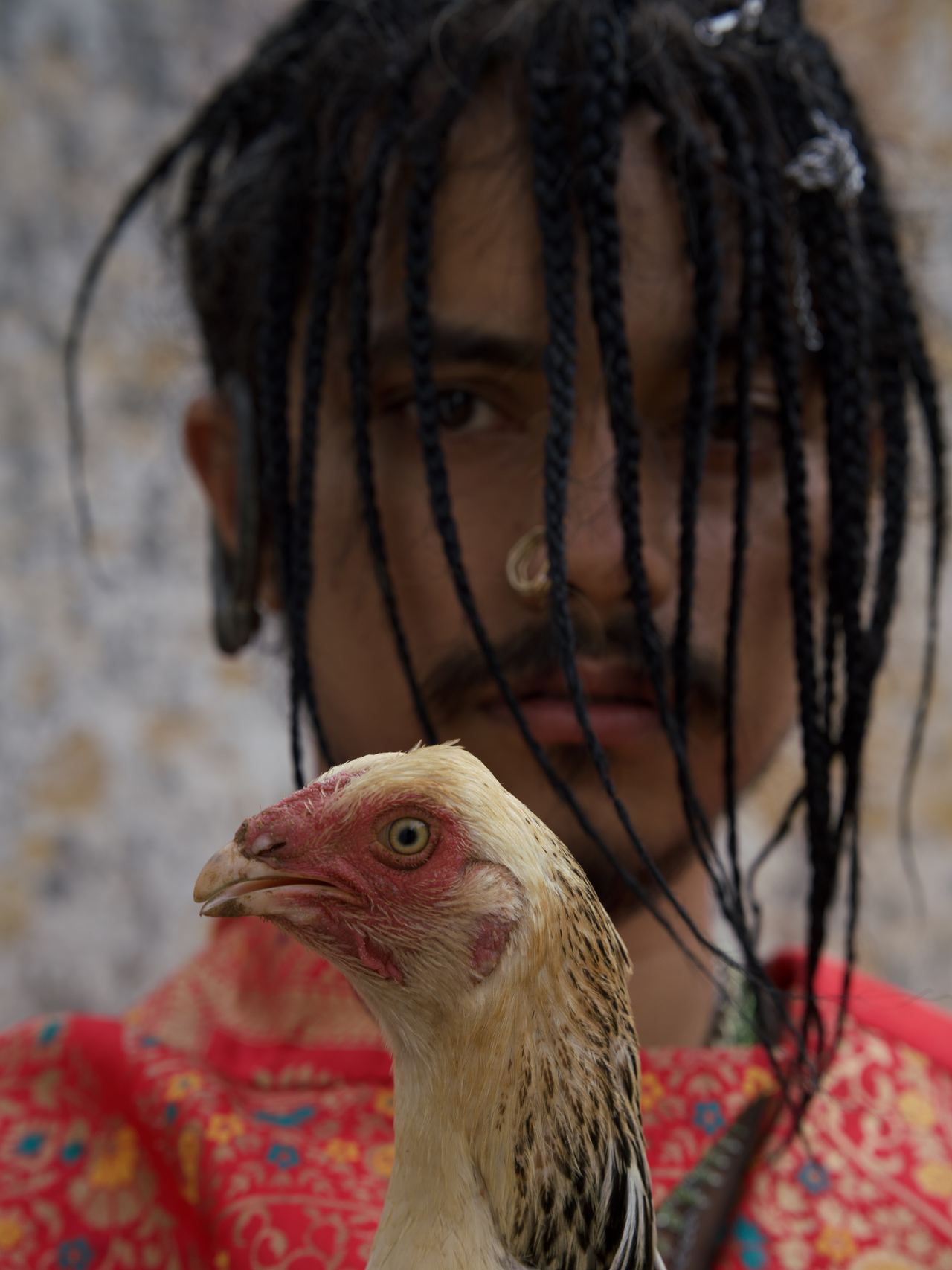
This does not mean copying the past or presenting ancestral culture as something exotic. Knowledge holders should remain active participants, with appropriate recognition, consent and benefit.
A craftsperson and a fashion designer might explore a material together.
Future
Imagining what comes next
These explorations can be practical, imaginative, optimistic, uncomfortable or even dystopian. The purpose is not to predict the future.
It is to challenge our assumptions about what the future could become.
How It Could Work
A recommended working model, not a claim that every system is already operational.
- 01
Discover
An independent artist or designer could express interest in participating.
- 02
Review
The Common Culture team could review their work, ideas and possible areas of collaboration.
- 03
Connect
Where an opportunity aligns, the team could connect the creator with relevant people, spaces or production resources.
- 04
Produce
A project could then develop into a photographic series, film, performance, fashion experiment, installation, event or publication feature.
- 05
Share
Once completed, the project could be documented and presented, and could generate new connections.
Quality, originality and meaningful relationships should matter more than producing a high volume of content.
Ideas Need
Collaborators
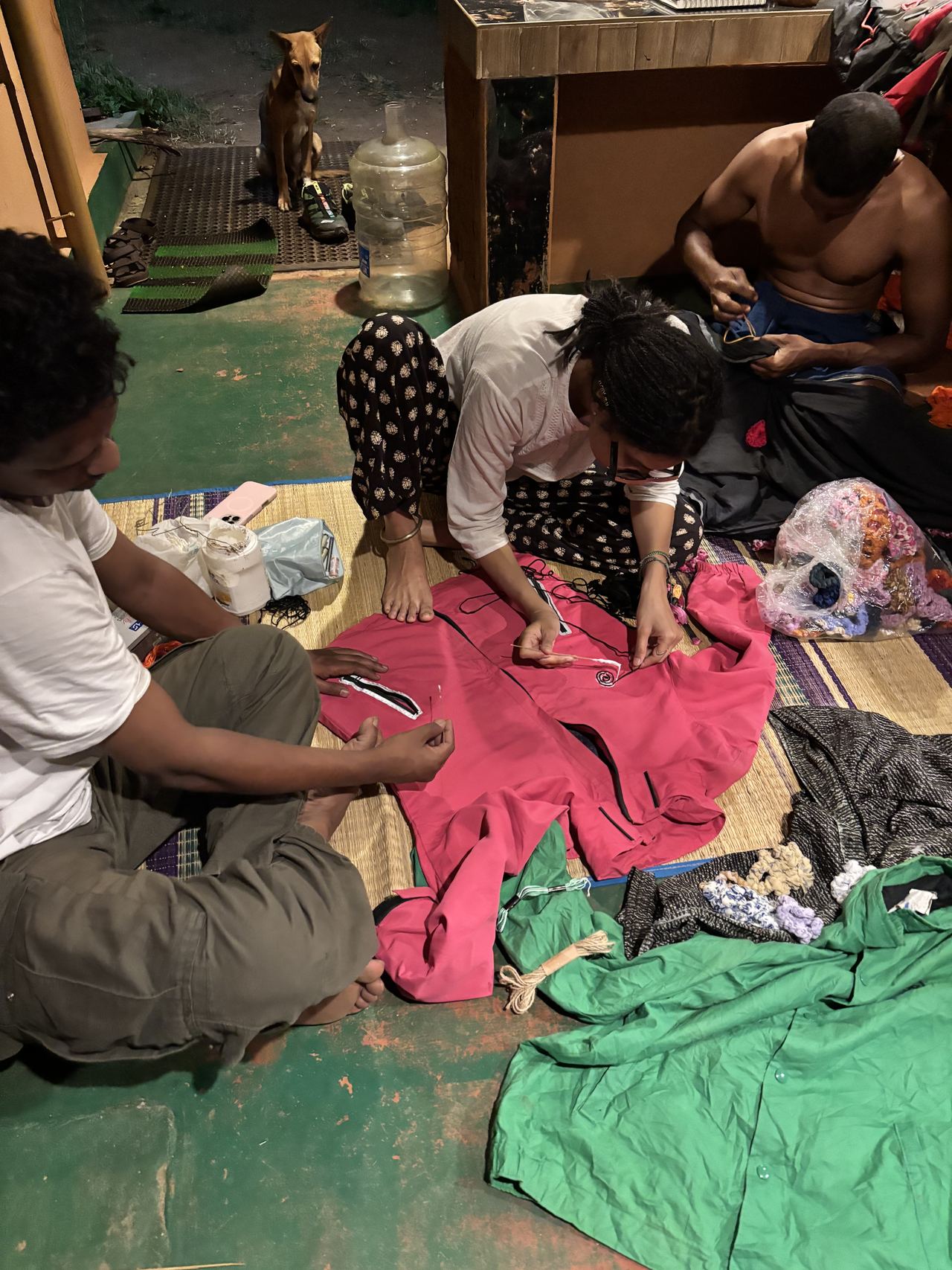
A designer
might have an original clothing concept but need a photographer.
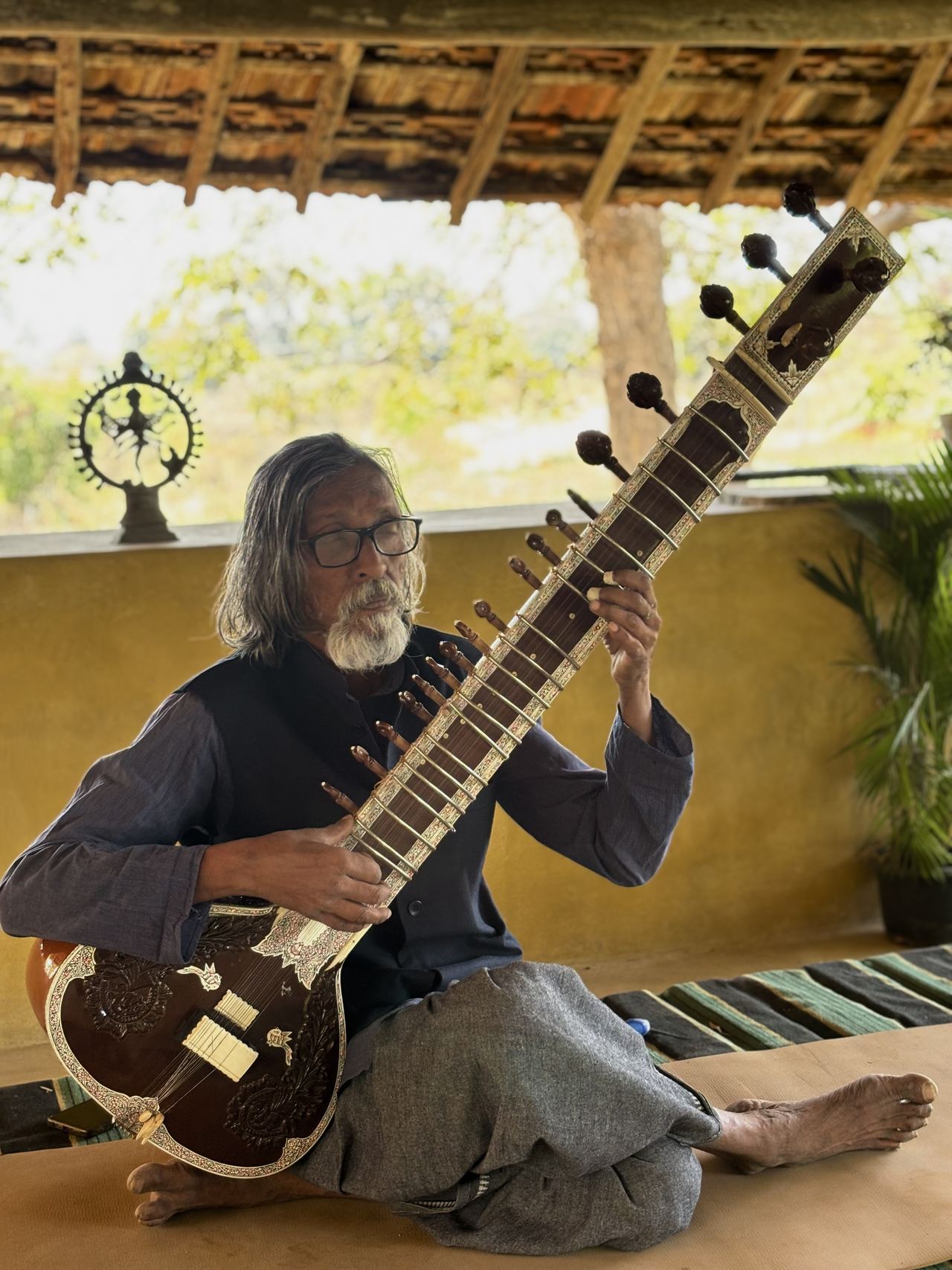
A musician
might have a composition but need a filmmaker.
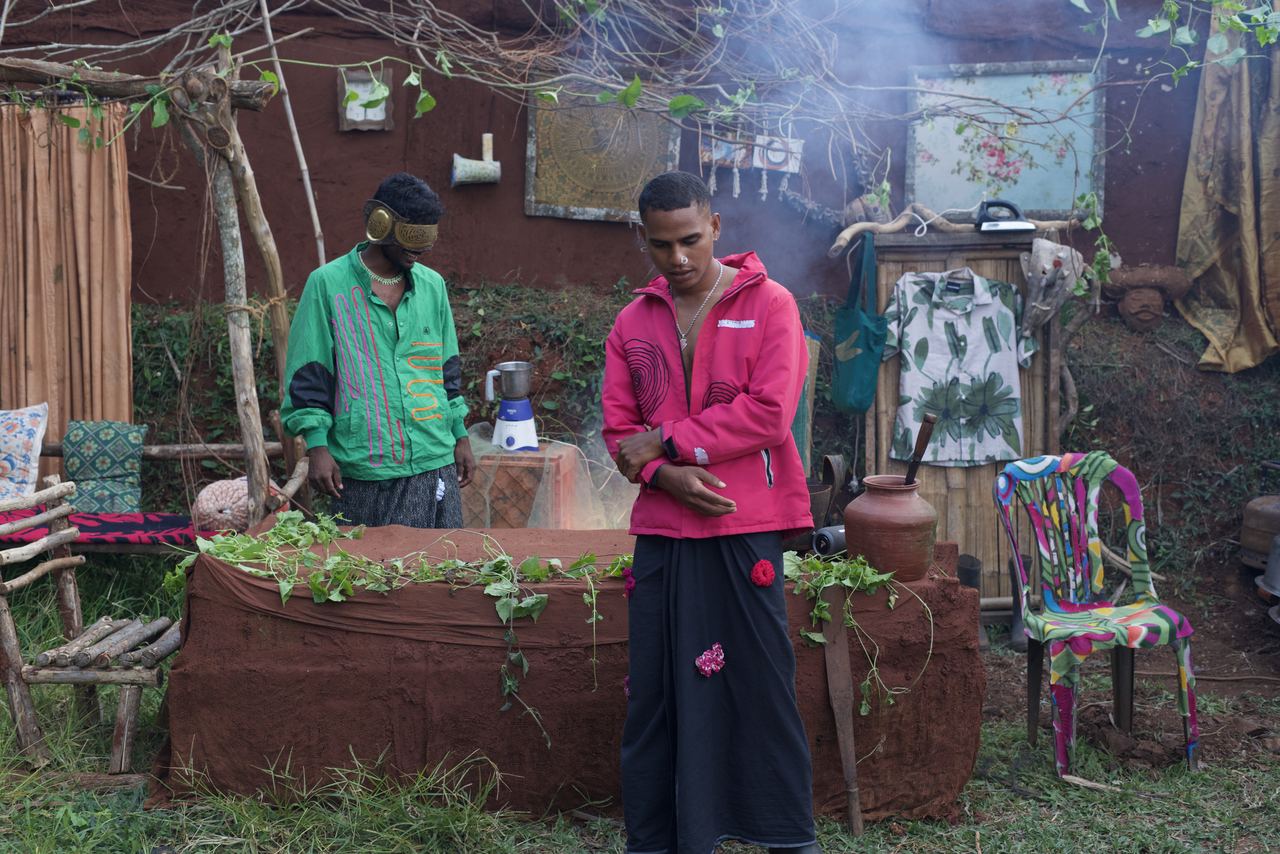
A filmmaker
might need an appropriate location, performers or art direction.
Creative work requires fair arrangements. Common Culture should not depend on the assumption that independent artists will always work for free.
What It Should Avoid
- 01Becoming visually attractive but conceptually shallow.
- 02Treating Indigenous and ancestral practices as visual inspiration without context or collaboration.
- 03Calling a project sustainable, natural or ethical because it has an earthy visual appearance.
- 04Manufacturing an image of ecological purity, instead of exploring better practices with curiosity and integrity.
Manifesto
Culture is constantly changing.
But culture is also created by people.
- By artists who question existing forms.
- By musicians who experiment with new sounds.
- By craftspeople who carry knowledge across generations.
- By filmmakers who show us unfamiliar perspectives.
- By designers who imagine different possibilities.
- And by communities who come together to create something.
We do not have a finished picture of what future culture should look like. We want to discover it through the people we meet and the things we create together.
An evolving culture of creation.
the people behind the work.
01. Mariyappan
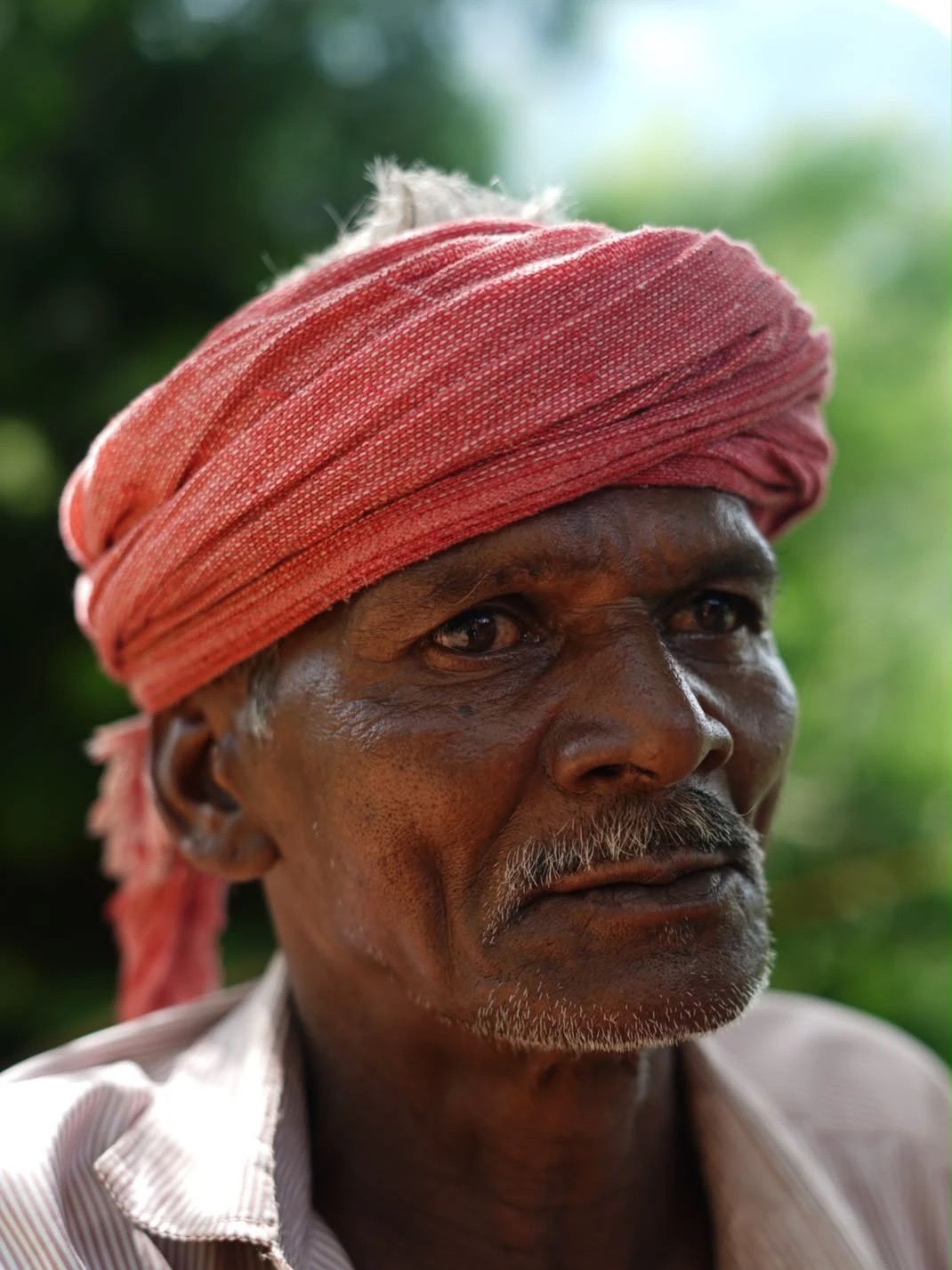
Irula elder.
He learned a building technique from the generations before him. For decades it stayed in his memory. He was asked to use it again.
The technique is his lineage's. Our part was to ask, to make room, and to write that down.
02. Krishnamoorthy
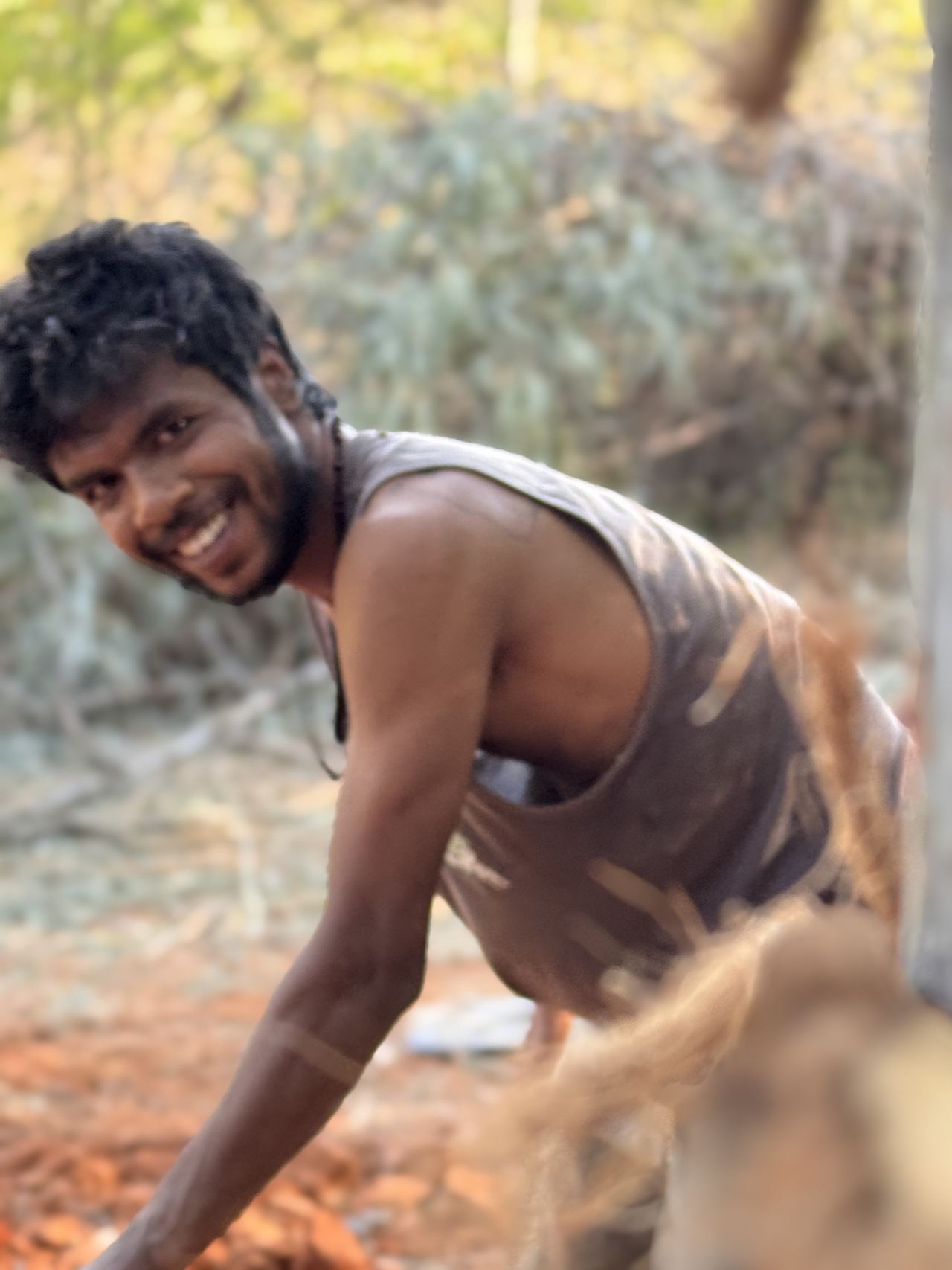
Artist, Kaattukaaran.
A local artist at the heart of Kaattukaaran, a project to turn creative work, land and a digital presence into a sustainable livelihood.
03. Young tribal musicians
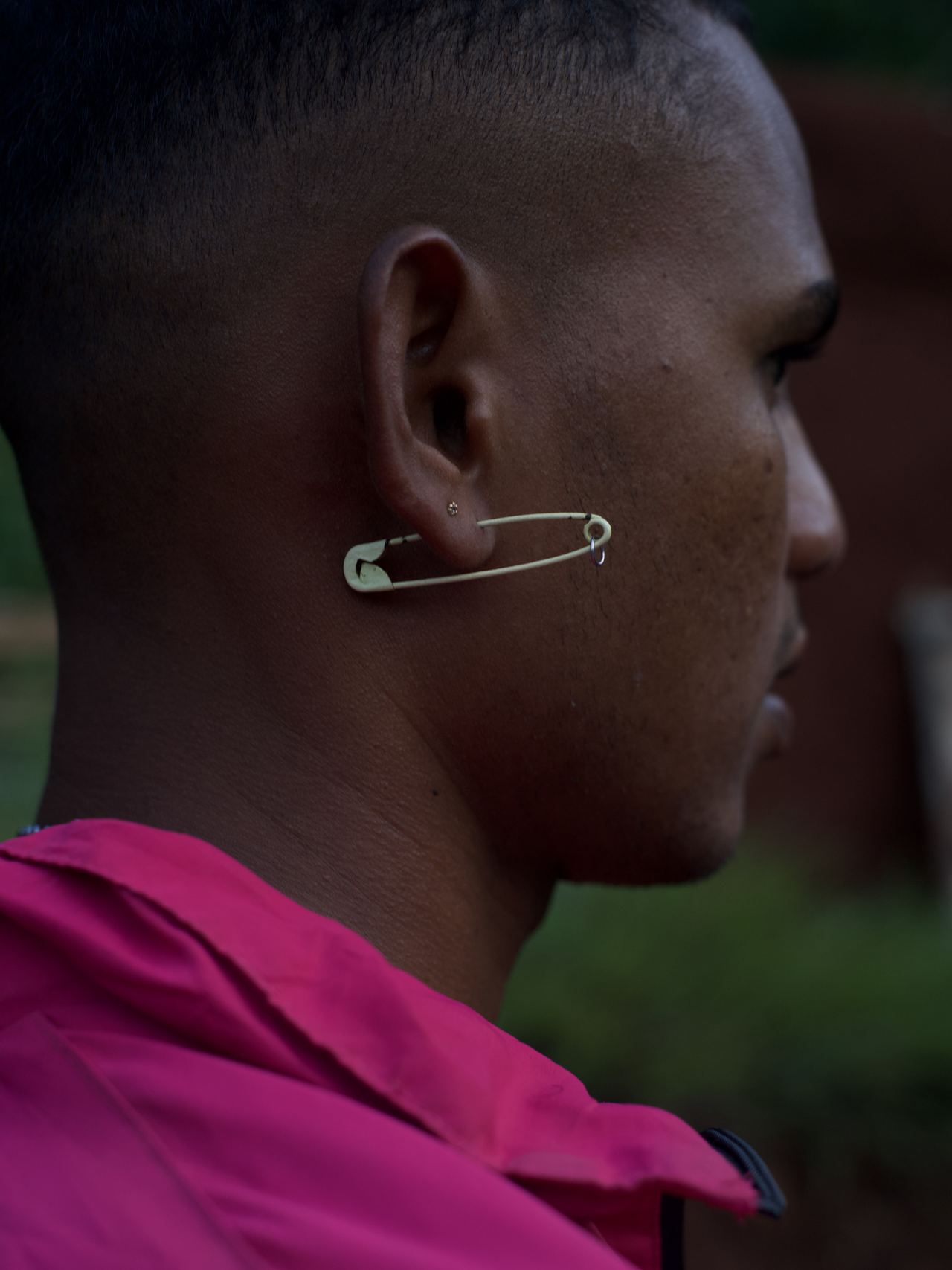
Musicians.
Working with senior musicians, artists and filmmakers on two experimental hip-hop music videos with Common Ground Production.
how the work moves
01. Observe
02. Explore
03. Experiment
04. Evolve
Four words, in that order, so a project does not skip to a conclusion.