Common CultureAncestral wisdom
What we explore
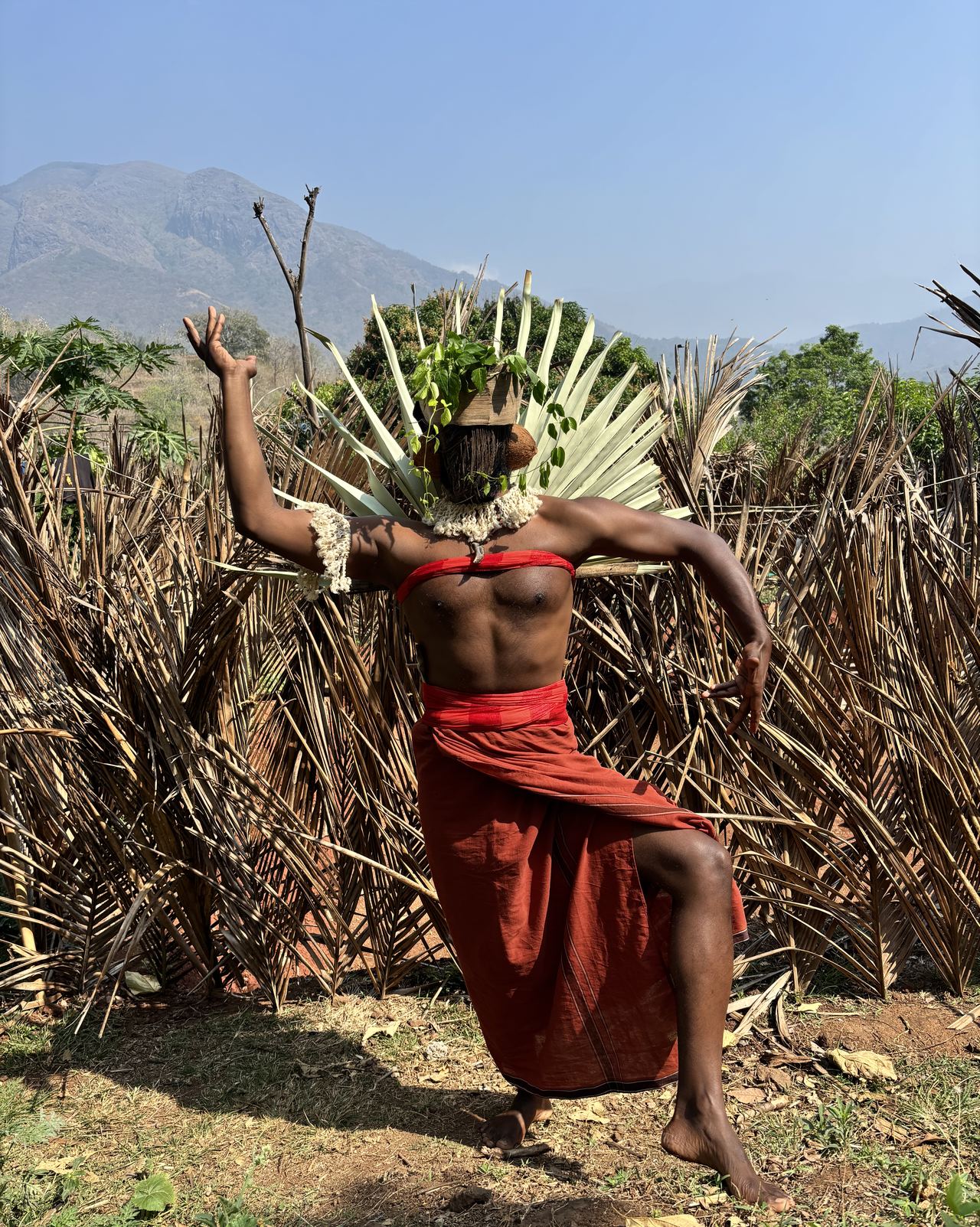
Learn from the people who keep these practices alive.
Learning with respect from knowledge systems that grew through long relationships with land and community.
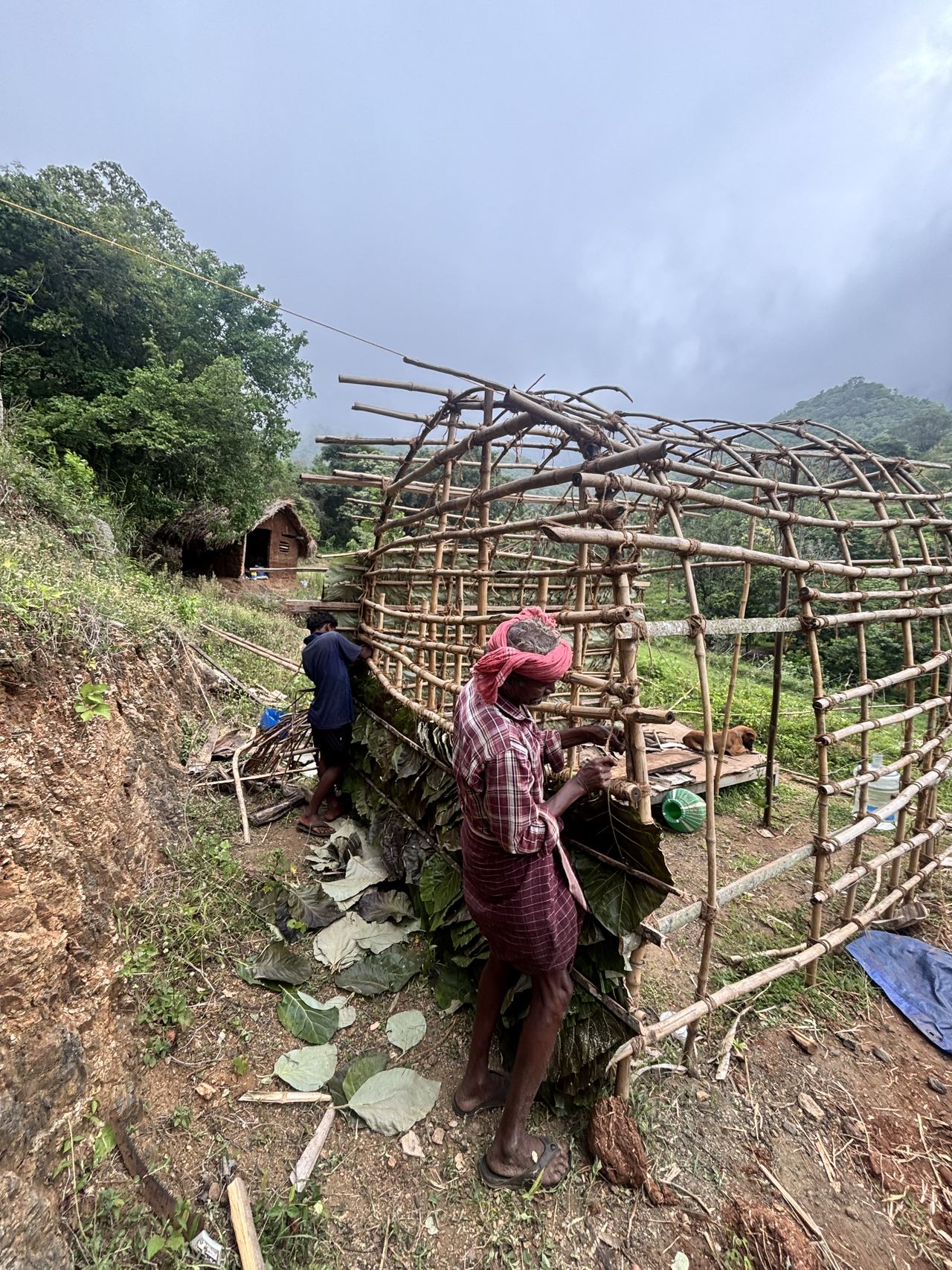
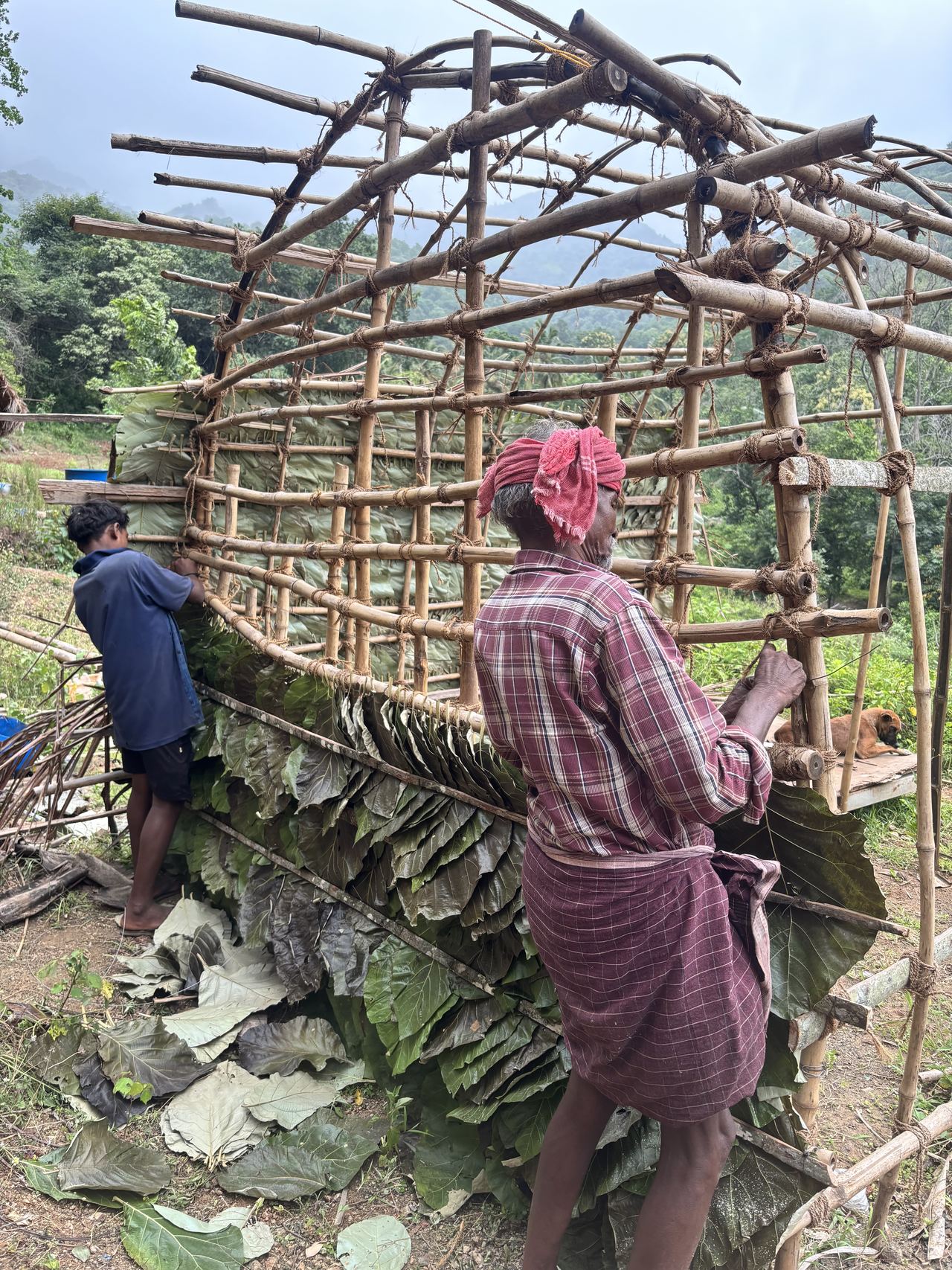
01A hut frame of bamboo and leaves
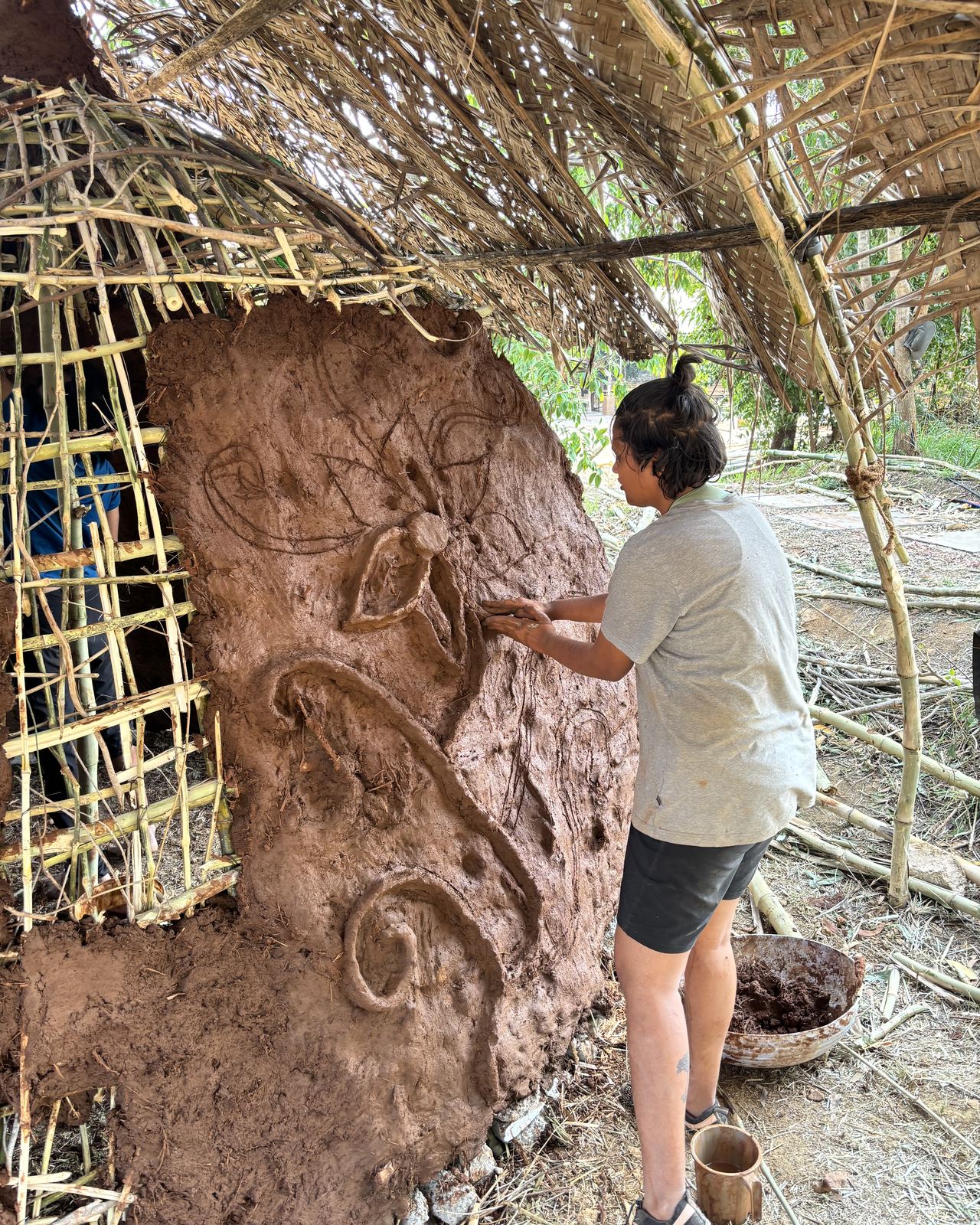
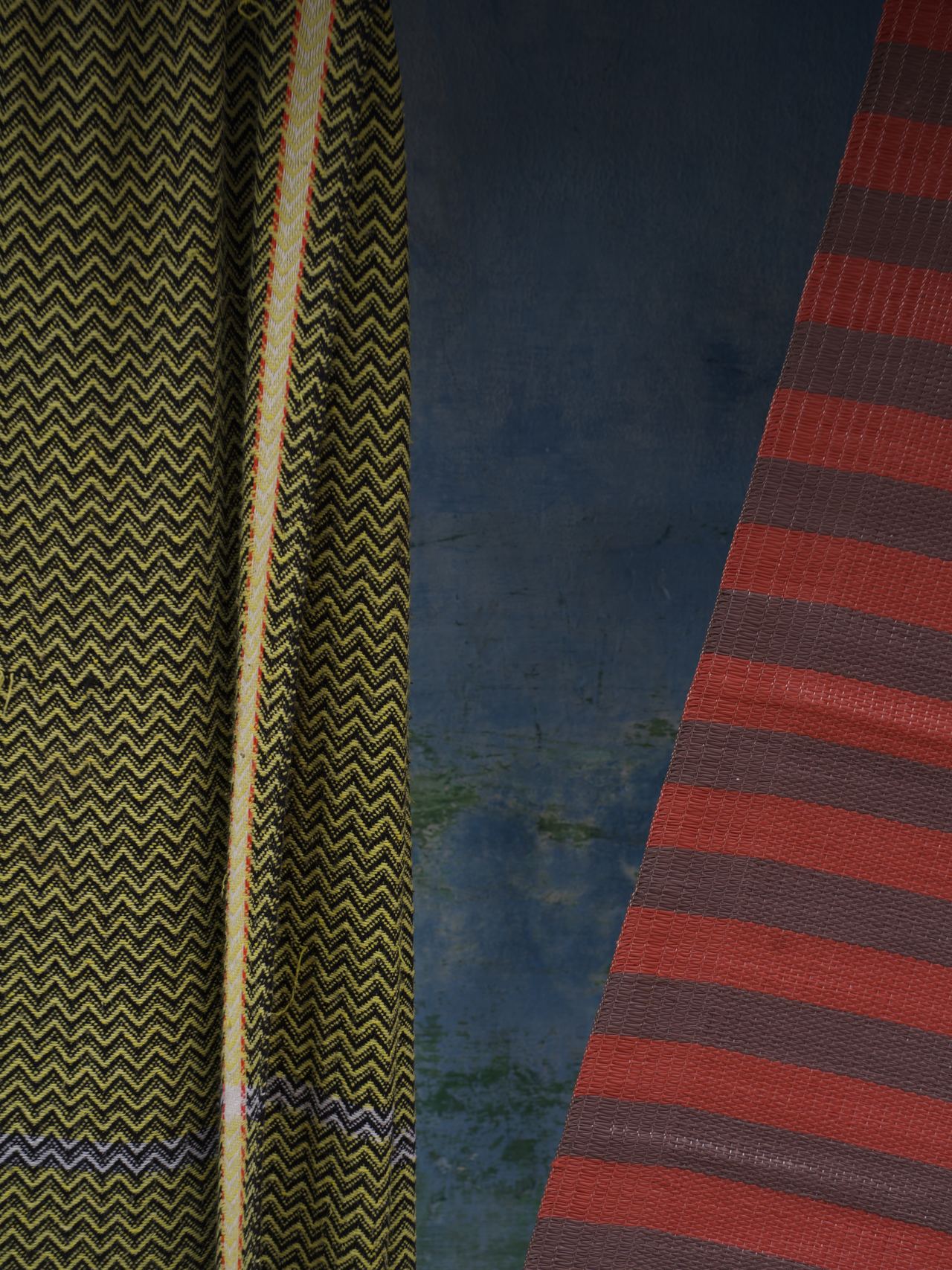
02A relief in fresh mud
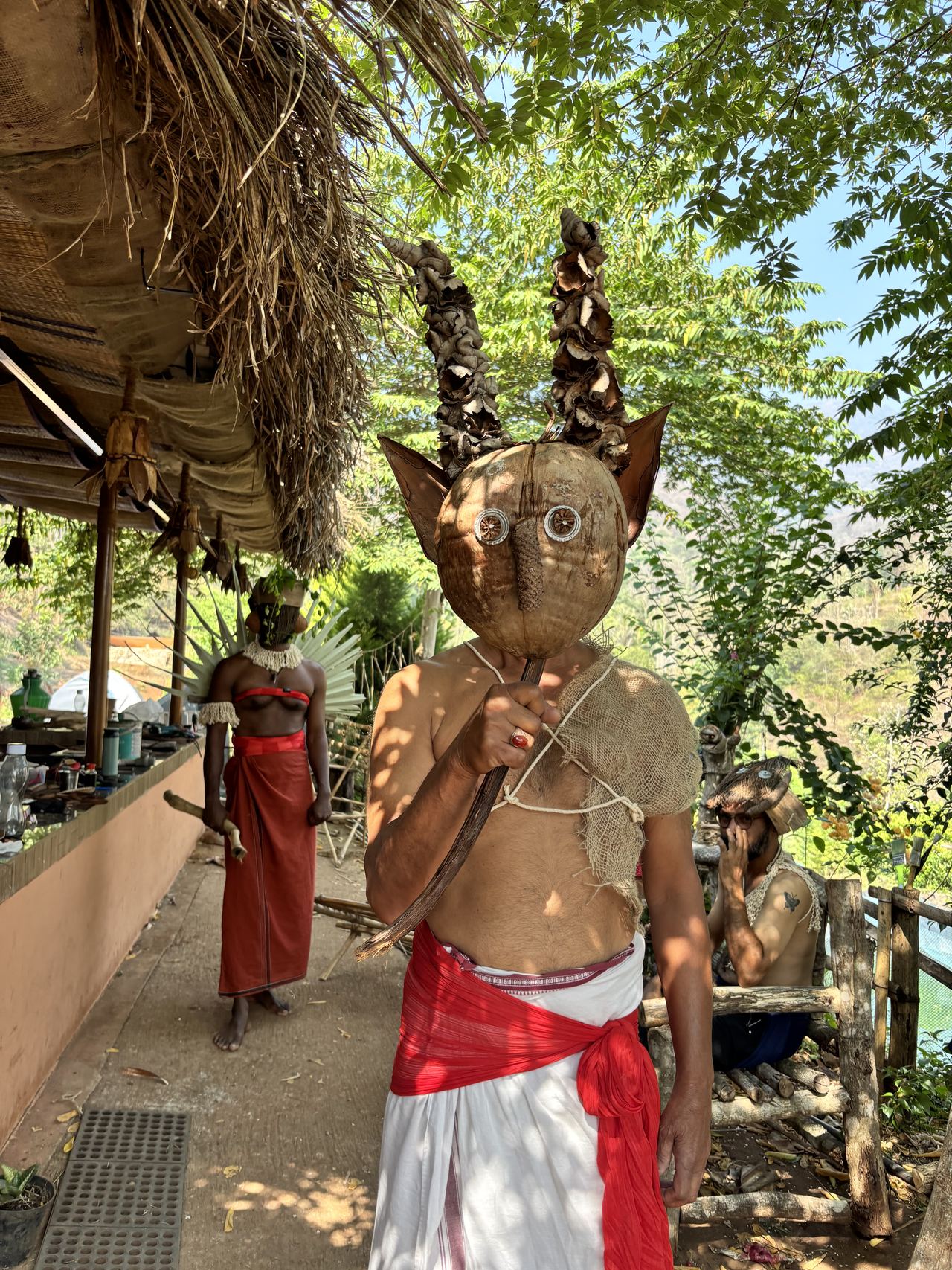
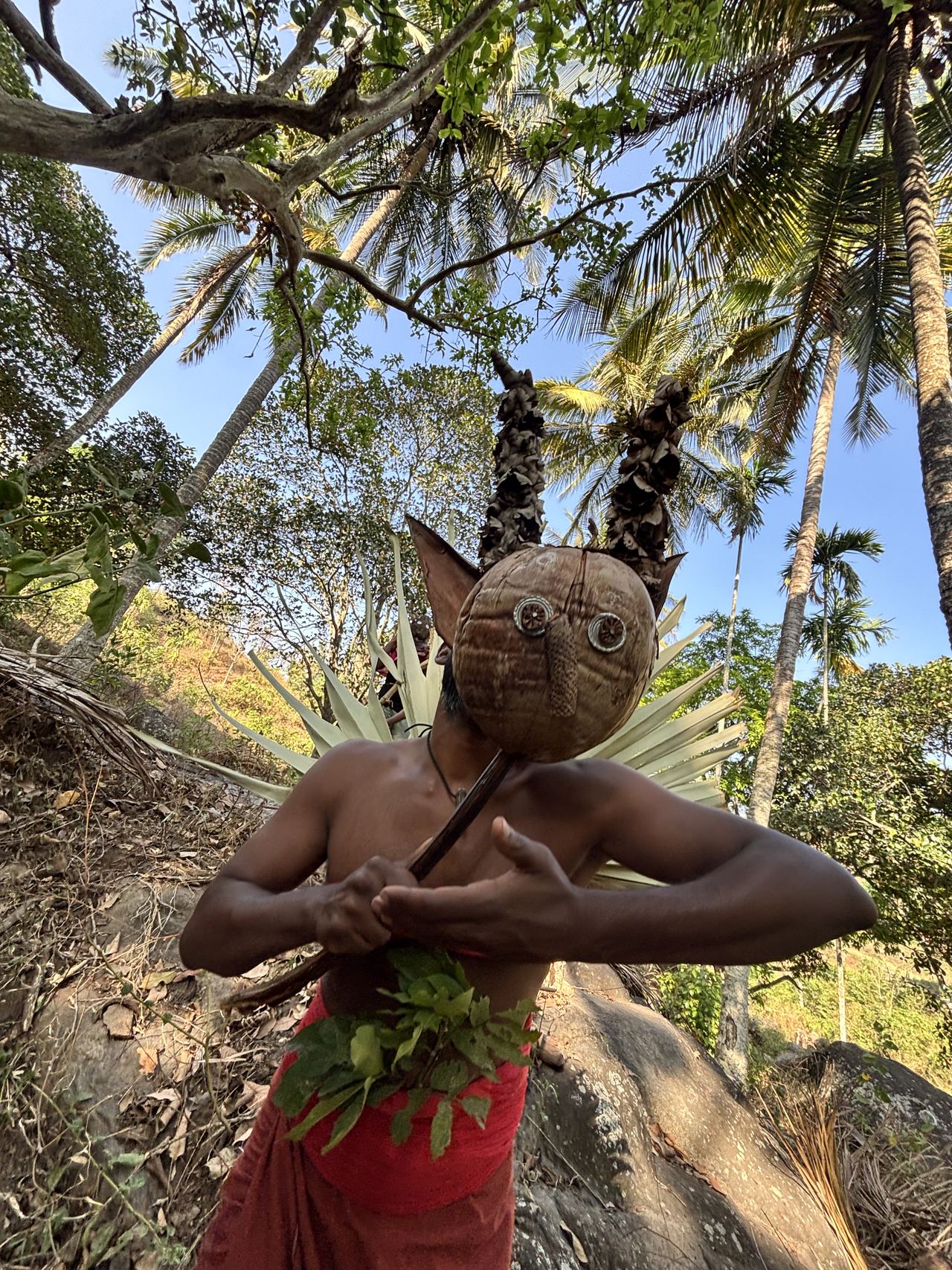
03A spirit mask dance
Human societies have developed extraordinary knowledge through generations of living, observing, building, farming and creating.
Craft traditions, vernacular architecture, natural materials, clothing practices, music, storytelling and community knowledge can contain useful insights.
It means creating opportunities for meaningful exchanges between knowledge holders and contemporary practitioners.
The knowledge holders should remain active participants, with appropriate recognition, consent and benefit.
For example
This does not mean copying the past or presenting ancestral culture as something exotic.
This page uses a careful word on purpose. Ancestral. Indigenous. Local. A named community, when we know it. Not traditional as a soft default, and not ancient wisdom as a mood.
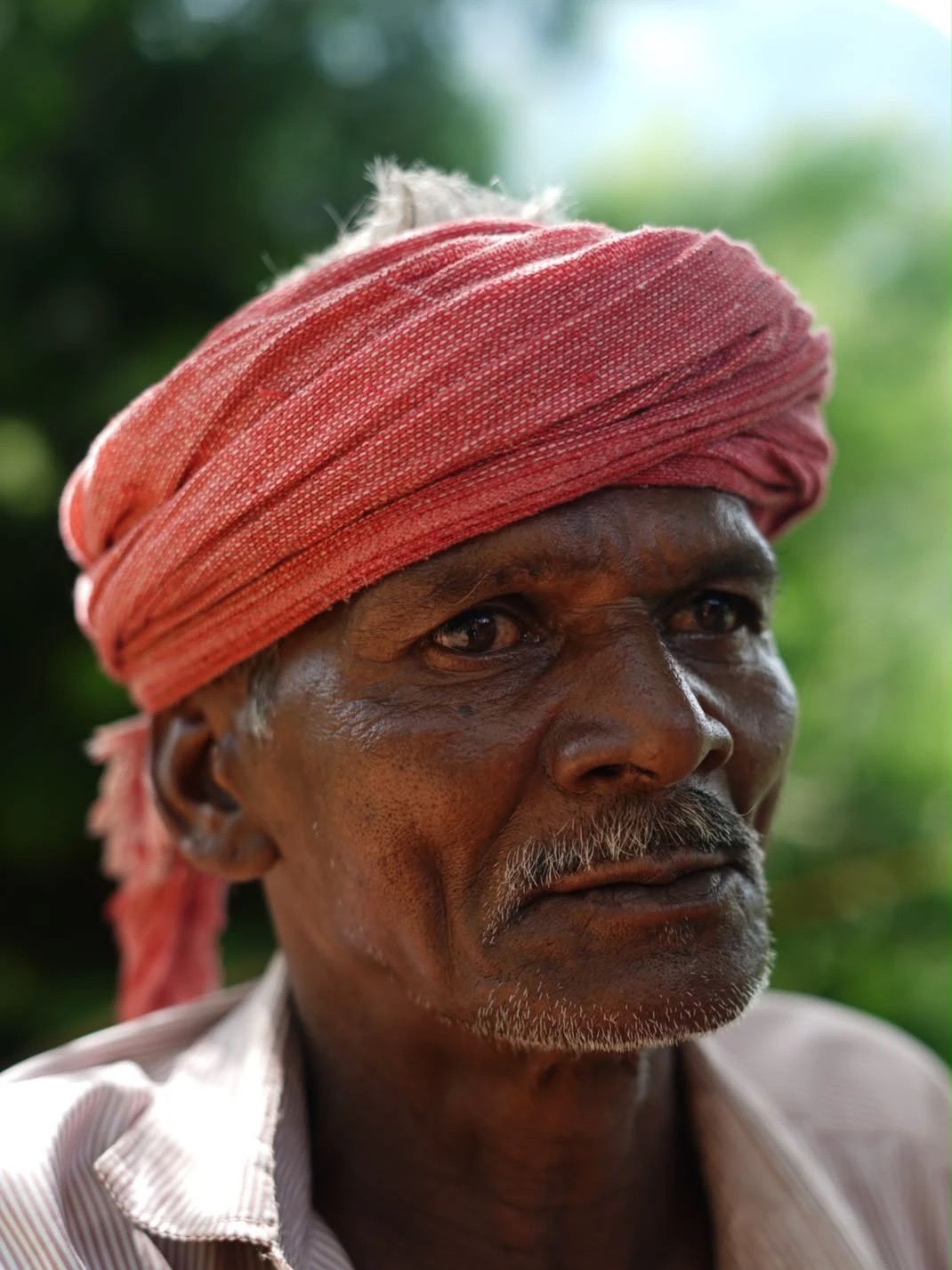
The clearest public example is also the one that should stay specific. Mariyappan, an Irula elder, learned a building technique from the generations before him. For decades it remained in his memory. Common Ground asked him to use it again, to build for the present. The credit for the technique stays with him and with the people who carried it. The organisation's role was to ask, to make room, and to document.
Learning with respect means a few practical things. Do not strip a practice out of the relationship that keeps it alive. Do not publish a how-to that turns someone's knowledge into a free method. Do not imply consent you do not have. Faces and names appear here only when they already appear in Common Ground's own public notes.
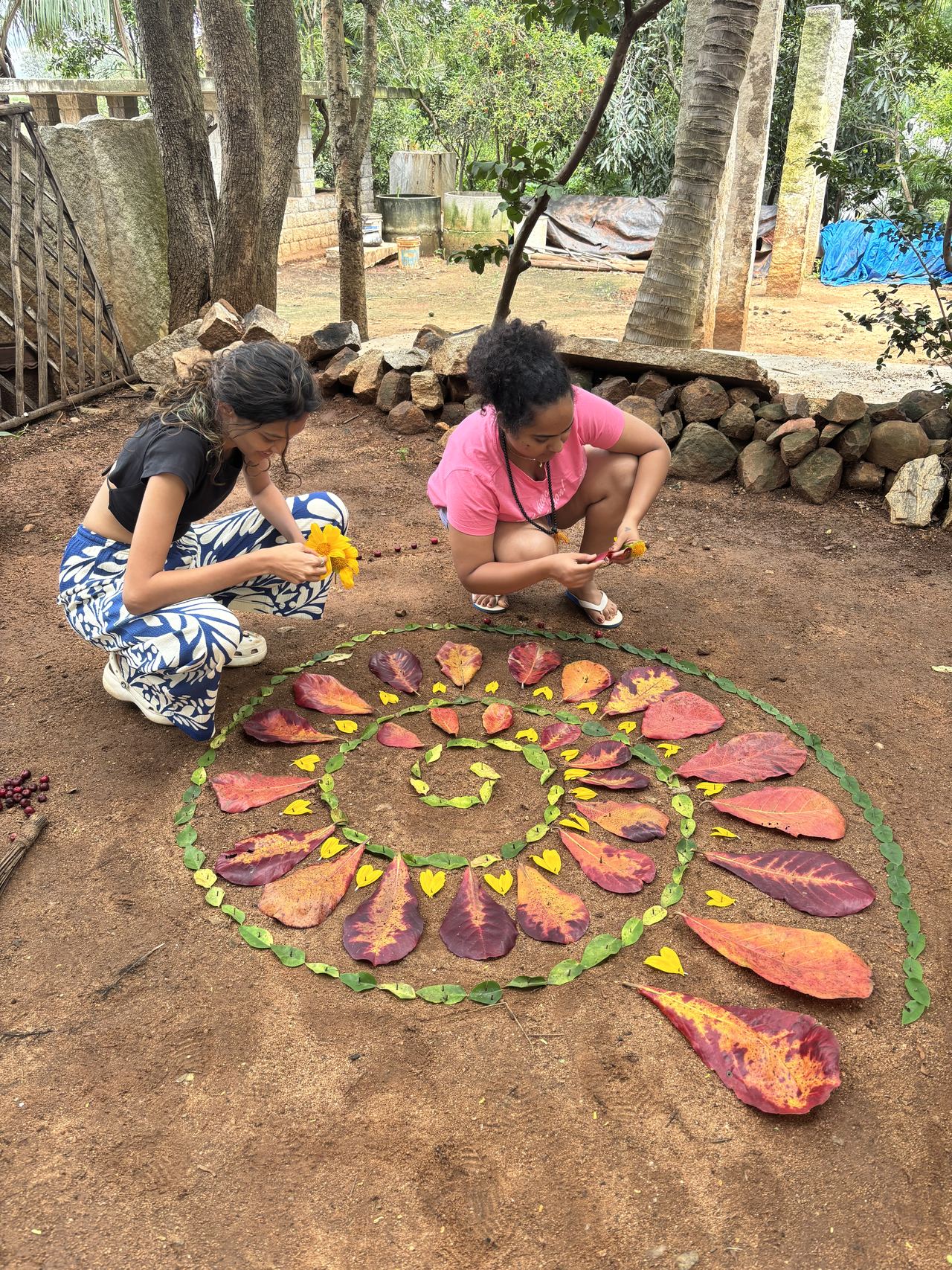
At Dhaanyam, this becomes practical. Tribal elders are invited to lead workshop sessions, and are paid for it. Young people from the hamlet learn from their elders and meet the outside world in the same room. Huts are built with the community using teak-leaf roofing and mud walling, methods many younger people are seeing for the first time, and the work is paid and documented.
Indigenous and ancestral knowledge are not a resource pile for a climate brand. They are living systems. The movement's job, when it is invited, is to learn, to support the practice in the present, and to say clearly what it does not know.
Related experiments and ways to join sit one step away. If you want to try something, . If you want to understand it first, keep reading.
If you are a young artist making something that belongs here, send it in. We feature work, not follower counts.
We review applications based on alignment and the possibilities available at that time. If there is a meaningful way to connect, our team will reach out. This is not a formal partnership. Connect, understand, explore, and work together where it makes sense.
Currently not available
This path is closed for now. When it reopens, the application will appear here. Until then, use another open door.
Beta
Upcycled and sustainable designers, stylists, fashion photographers, models, makeup artists and curators.
We review applications based on alignment and the possibilities available at that time. If there is a meaningful way to connect, our team will reach out. This is not a formal partnership. Connect, understand, explore, and work together where it makes sense.
Currently not available
This path is closed for now. When it reopens, the application will appear here. Until then, use another open door.
Beta
We keep hosting physical and virtual events across the work: music, fashion, fitness, conversations, courses and community experiences. Tell us what you are hoping to join or host. Dates are confirmed in the reply.
We review applications based on alignment and the possibilities available at that time. If there is a meaningful way to connect, our team will reach out. This is not a formal partnership. Connect, understand, explore, and work together where it makes sense.
Currently not available
This path is closed for now. When it reopens, the application will appear here. Until then, use another open door.
Beta
Sustainable and upcycled designers, stylists, makeup artists, movement artists, photographers and graphic designers for Fashion Flow, films and music videos. Commitment: Set by the project. Where: On site or remote. Most volunteering is free. If this role has a basic fee, or covers food or a stay, that is stated before you commit.
We review applications based on alignment and the possibilities available at that time. If there is a meaningful way to connect, our team will reach out. This is not a formal partnership. Connect, understand, explore, and work together where it makes sense.
Currently not available
This path is closed for now. When it reopens, the application will appear here. Until then, use another open door.
Beta
Photographers, videographers, directors, editors and music producers for documentaries, films and music videos. Documentation volunteers may need to bring their own equipment. Commitment: Set by the project. Where: On site or remote. Most volunteering is free. If this role has a basic fee, or covers food or a stay, that is stated before you commit.
We review applications based on alignment and the possibilities available at that time. If there is a meaningful way to connect, our team will reach out. This is not a formal partnership. Connect, understand, explore, and work together where it makes sense.
Currently not available
This path is closed for now. When it reopens, the application will appear here. Until then, use another open door.
Beta