What we explore
Regenerative farming
Food forests, companion planting, soil restoration, integrated systems and local food knowledge.
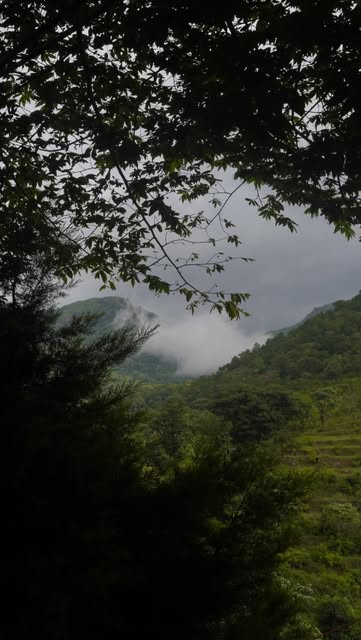
Regenerative farming, here, means growing in a way that leaves the soil more alive than it was found. Not a certificate. A direction.
The practices Common Ground sits with include food forests, companion planting, soil restoration, integrated systems, and food knowledge that already belongs to a place. At Dhaanyam, in Attappadi, that question has a piece of land attached to it: about five acres, and more than 170 plant varieties, with aquaculture and waste-to-wealth cycles in the same system.
A food forest is not a slogan for a garden. It is a slow argument with monoculture. Trees, shrubs, ground covers, animals and water are asked to do more than one job. The learning is in what fails in year one, and what the soil does in year three. We do not publish a yield as if it were a moral score.
If you grow, or want to, the useful entry is the food-forest experiment. It is written as a question, not a method you must copy.
In practice
- Food forests and mixed planting
- Soil that is restored, not only fed
- Local food knowledge, named specifically when we know the source
- Integrated cycles, including aquaculture where the land supports it
Related experiment and experiences sit one step away. If you want to try something, write. If you want to understand it first, keep reading.